Sephora's free Lyft rides: a masterclass in experiential marketing
Everything between wanting your product and having it. Most marketing budgets add persuasion; the sharpest ones subtract friction instead.
The interesting part of Sephora's ride offer isn't the media spend. Read it as two purchases: the removal of a reason not to come, and a line customers would repeat to a friend — my reading, not the brand's stated plan. The transferable half is the cheap half — find the friction between wanting your product and having it, and delete one piece of it.
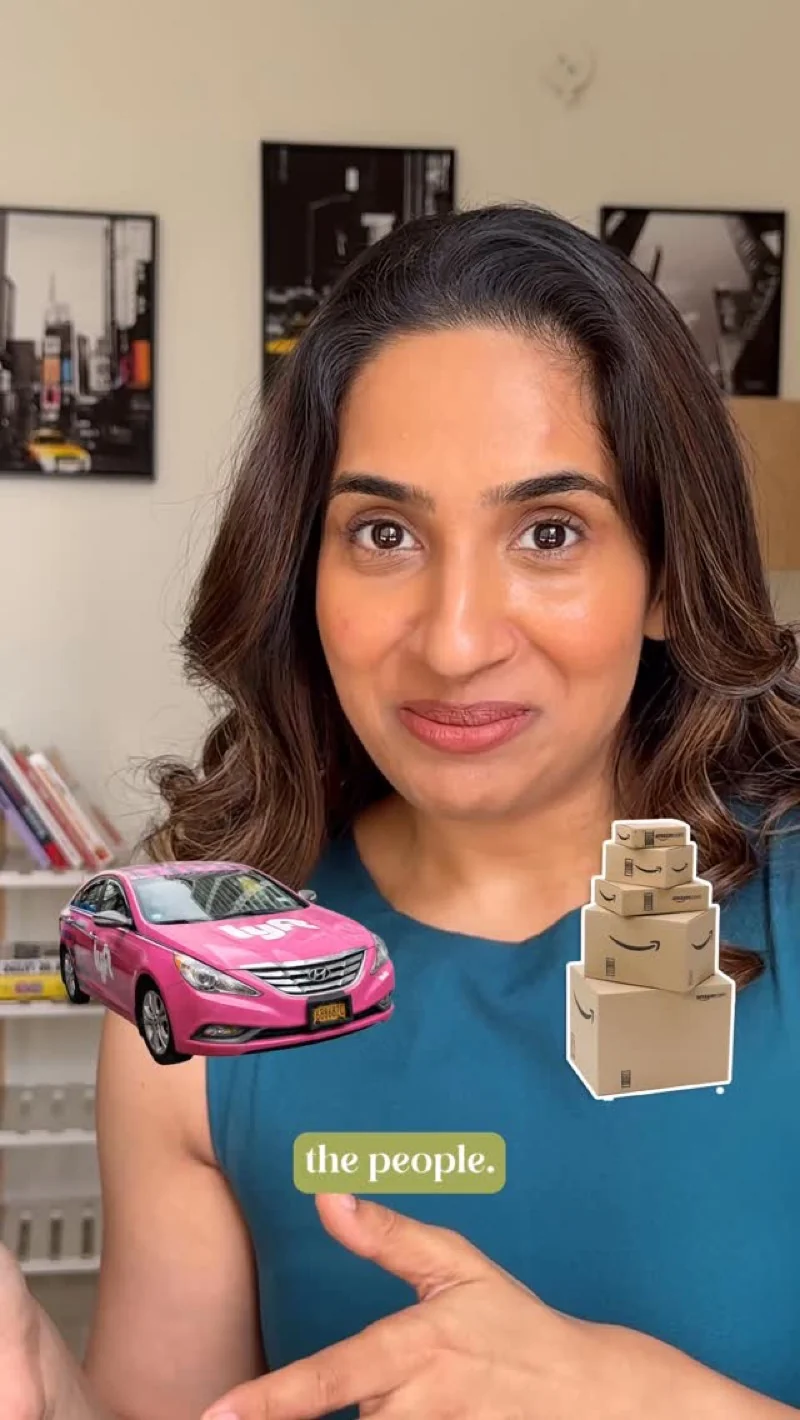
Most founders market by adding. Another discount code, another email, another round of persuasion aimed at someone who already likes the product. It rarely moves much, because wanting it usually isn't the bottleneck.
Sephora's partnership with Lyft, offering ride credits to shoppers heading to its stores, was widely reported, and it's easy to file under big-budget theatre. I'd argue it's the most useful retail lesson available to a small brand right now, because the idea underneath it costs almost nothing to copy.
The customer already wanted to go. Something small was in the way — the traffic, the parking, the fare, the effort of deciding today rather than someday. The money went to the in-the-way part. That's how I read it, not a claim about the brief.
A free ride doesn't add a reason to visit. It removes the reason not to.
01 — What a free ride actually buys
Impressions, sure — the cars were branded and the campaign got covered. But something else came with it: a barrier removed, and a story attached to the removal. Those are two different assets and most brands can only afford to chase the first one.
My read: the ride itself is the interesting part. It's time the customer spends inside the brand's world before touching a single product, and it feels like anticipation rather than interruption. Then there's the second asset — "I got a free ride to Sephora" is the kind of sentence a person says out loud, unprompted, to someone who wasn't targeted. Paid media has to buy attention. A gesture that's actually useful can earn some of it as a side effect.
02 — Subtraction beats persuasion
Persuasion argues with the customer's hesitation. Subtraction deletes it. One of those is a fight you have to keep paying to re-enter; the other is usually a one-time operational fix that keeps working after you stop thinking about it.
My read on why small brands skip this: it isn't budget. It's that removing friction doesn't look like marketing when you write it on a list. It looks like logistics, or customer service, or admin. So it never gets the attention — or the budget line — that a campaign gets.
03 — Your brand starts before the product
The first real experience of your brand is almost never the product. It's the checkout, the shipping estimate, the waiting, the box on the doorstep, the return you hope they don't need. All of that is happening whether or not anyone designed it.
Founders spend the budget on the hero image and leave the stretch between order and open completely undesigned. That stretch is where most of the feeling gets decided — and it's the cheapest part of the business to improve, because you already own every step of it.
04 — Where a small brand's friction hides
Here's where I'd look first. Pick one. Not all six.
- The wait. Say what happens next in plain language, early. The uncertainty is the friction, not the days.
- The first email. Most are a receipt. Make it the moment the brand actually introduces itself.
- The unboxing. Not more packaging — fewer steps to get in, plus one thing they weren't expecting.
- The returns policy. If yours reads defensively, it's a barrier wearing a policy costume. Rewrite it in one sentence.
- The handover. At a market stall, a pop-up, a shop counter — how the product leaves your hands is the closest thing you have to a free ride.
- The reorder. Buying a second time should take fewer taps than the first. It almost always takes more.
05 — How to find your friction point
Write out every step between someone deciding they want your product and holding it. Every step, honestly, including the ones you've stopped noticing because you built them.
Then go to the people who didn't finish. The support inbox, the DMs, the abandoned carts, the friend who meant to order and didn't. You're listening for one word: "but." "I love it, but…" is where the money is sitting. Pick the one you can remove this month without hiring anyone.
06 — Make the removal tellable
Removing friction quietly is good operations. Removing it in a way the customer can repeat in one sentence is marketing. That gap is the whole lesson I take from Sephora.
The test I'd use: could a customer describe what you did in a text message, with no screenshot and no explanation? "They sent me a free ride" passes. "They improved the checkout flow" doesn't. Same effort, same money — only one of them gets retold.
You don't have a rideshare budget and you don't need one. This scales down because the principle isn't "spend money on experience." It's "stop making them work for it." One removed step changes what buying from you feels like rather than how often you're seen — a different kind of bet from another quarter of content.
One next step: map every step between someone wanting your product and holding it, then delete the one you'd be most embarrassed to defend out loud. This week, not next quarter.
Founders ask
What is experiential marketing, and can a small brand actually afford it?
Experiential marketing is anything that makes your brand something a customer moves through rather than looks at. The affordable version isn't events or activations — it's the parts of buying from you that already exist: the wait, the box, the return, the handover. Redesigning one of those costs attention, not media spend.
How do I make my brand memorable without a big marketing budget?
Find the one thing that makes buying from you slightly annoying, remove it, and make the removal easy to describe. People remember the moment something was easier than they expected, and they tend to tell someone. In my view that outlasts another round of ads at the same price.