What Hermès and Rolex know that small brands can steal
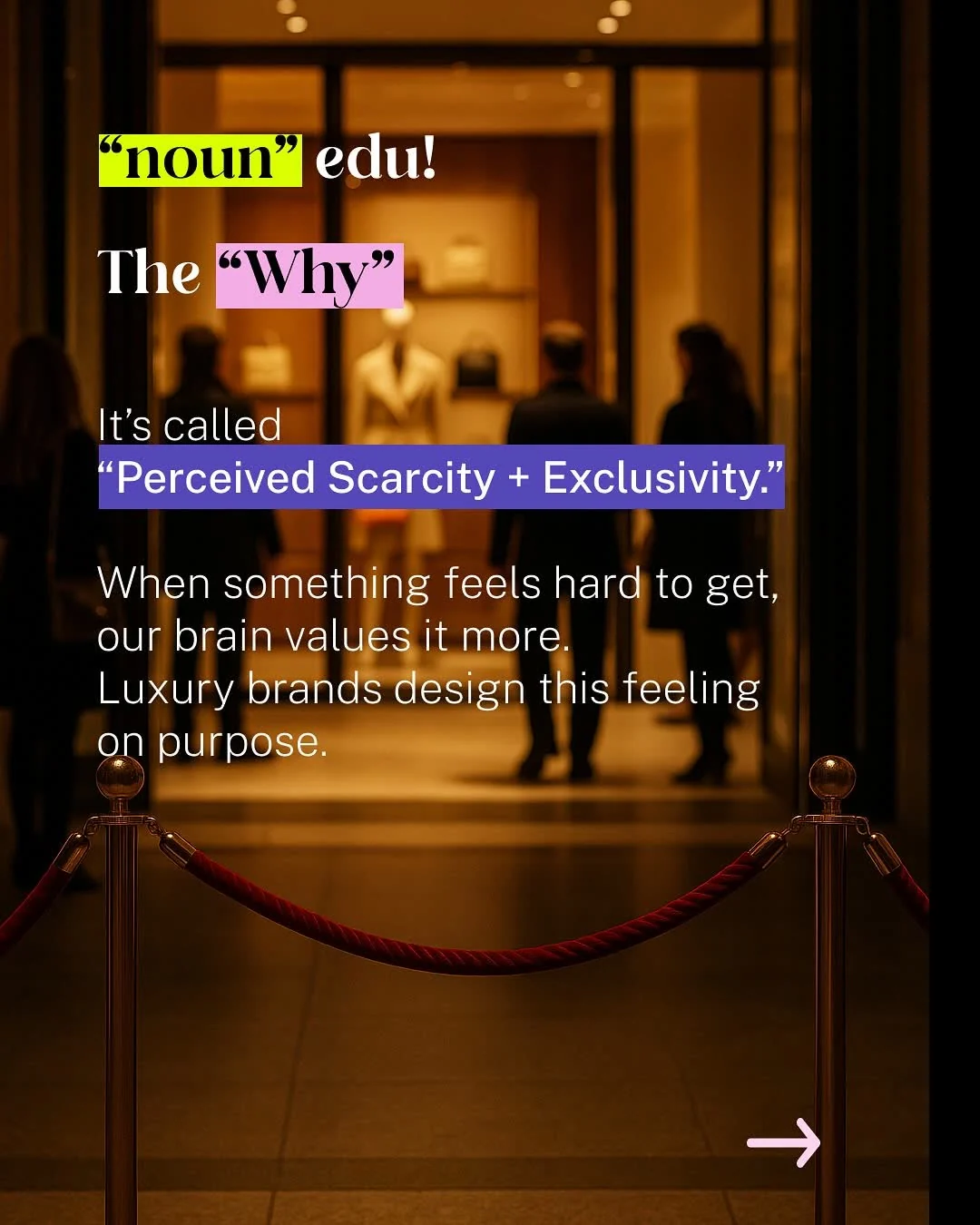
A limit on supply that a buyer believes. Real scarcity is your actual production constraint; manufactured scarcity is a countdown timer that resets. Customers can tell the difference, and only one of them survives being repeated.
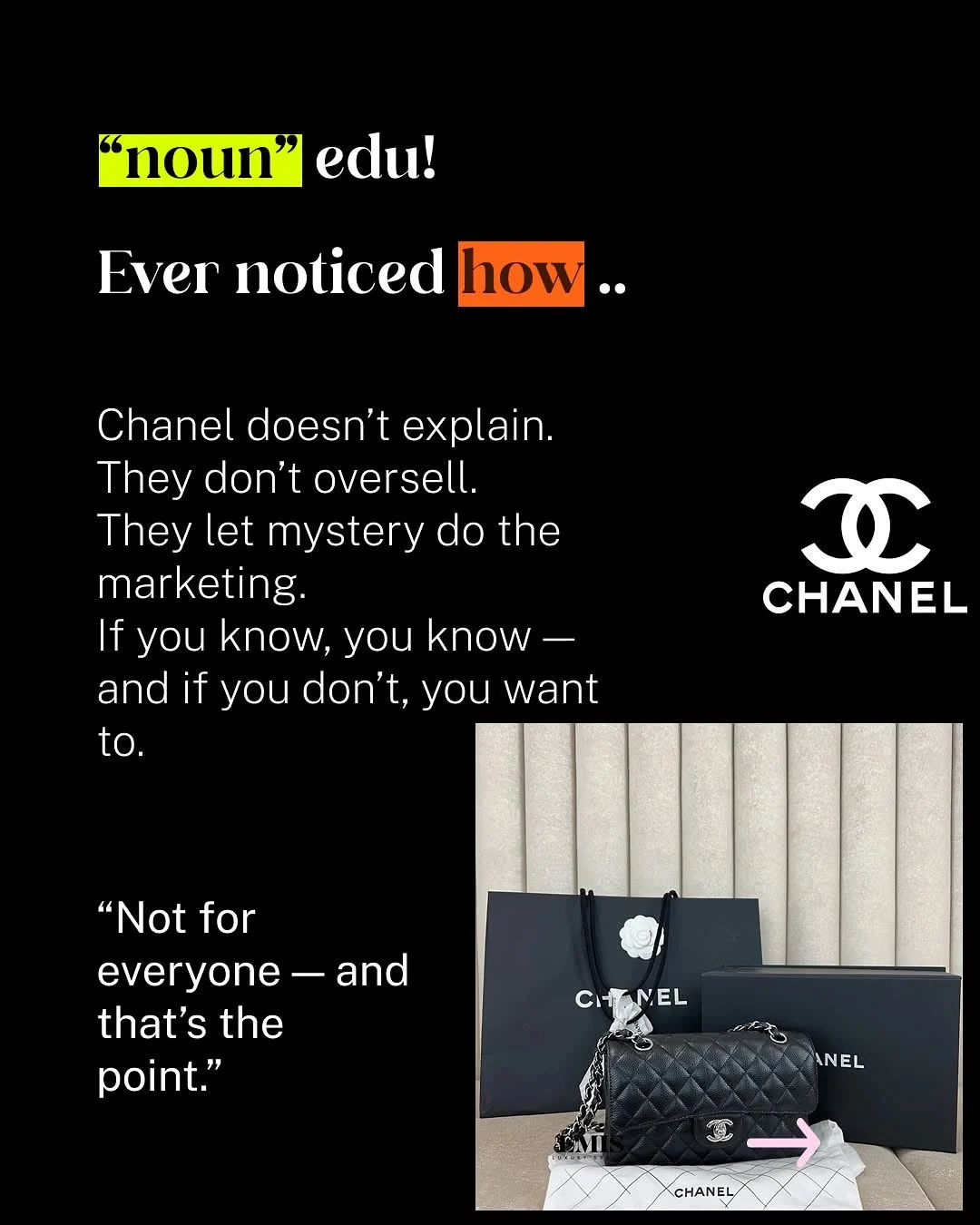
Most people read Hermès and Rolex as a scarcity story. My read is that the transferable part is two disciplines: they hold their prices, and getting the product feels earned. Both are available to you at any price point — and at your size, the constraint behind them is one you can actually show people.

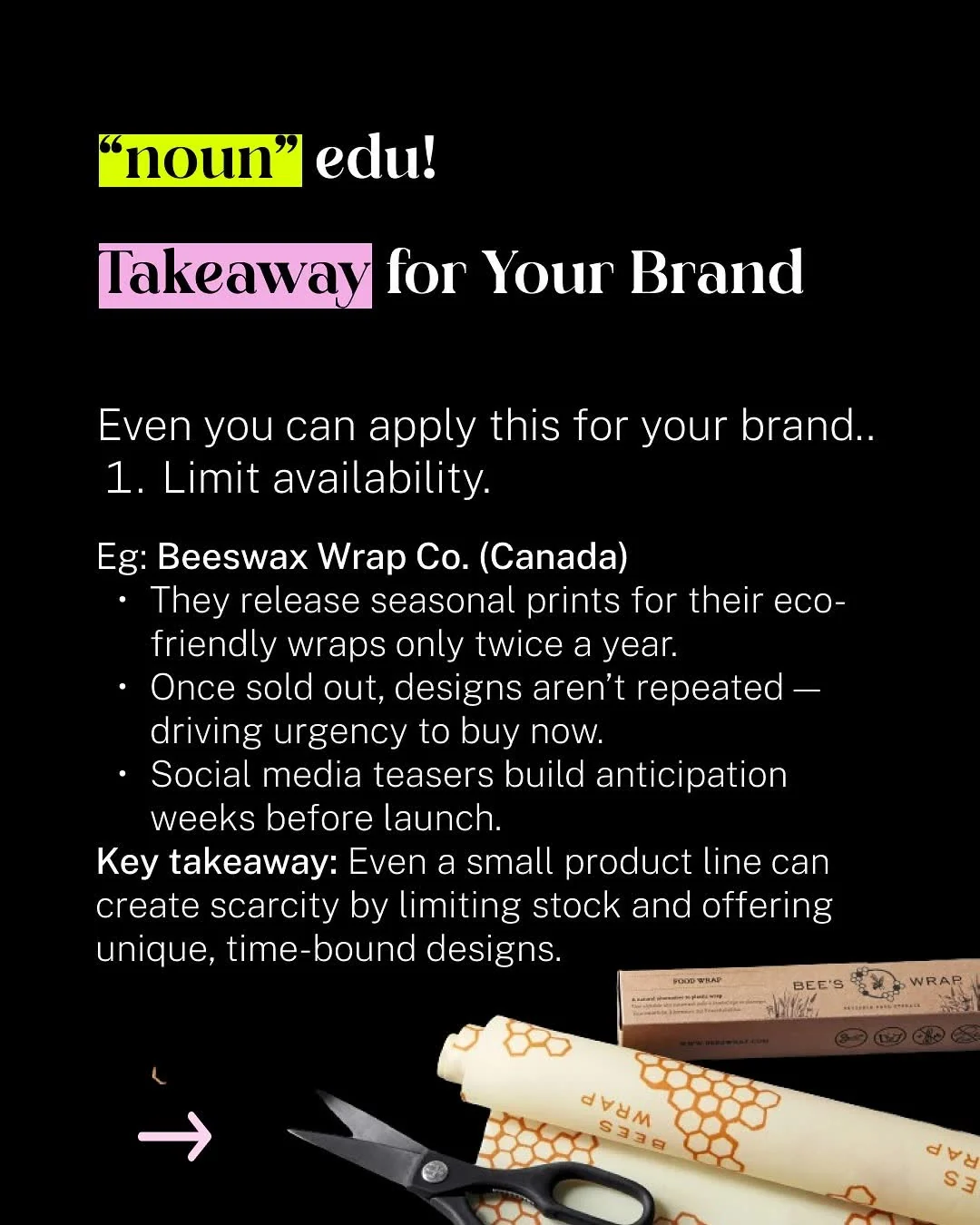
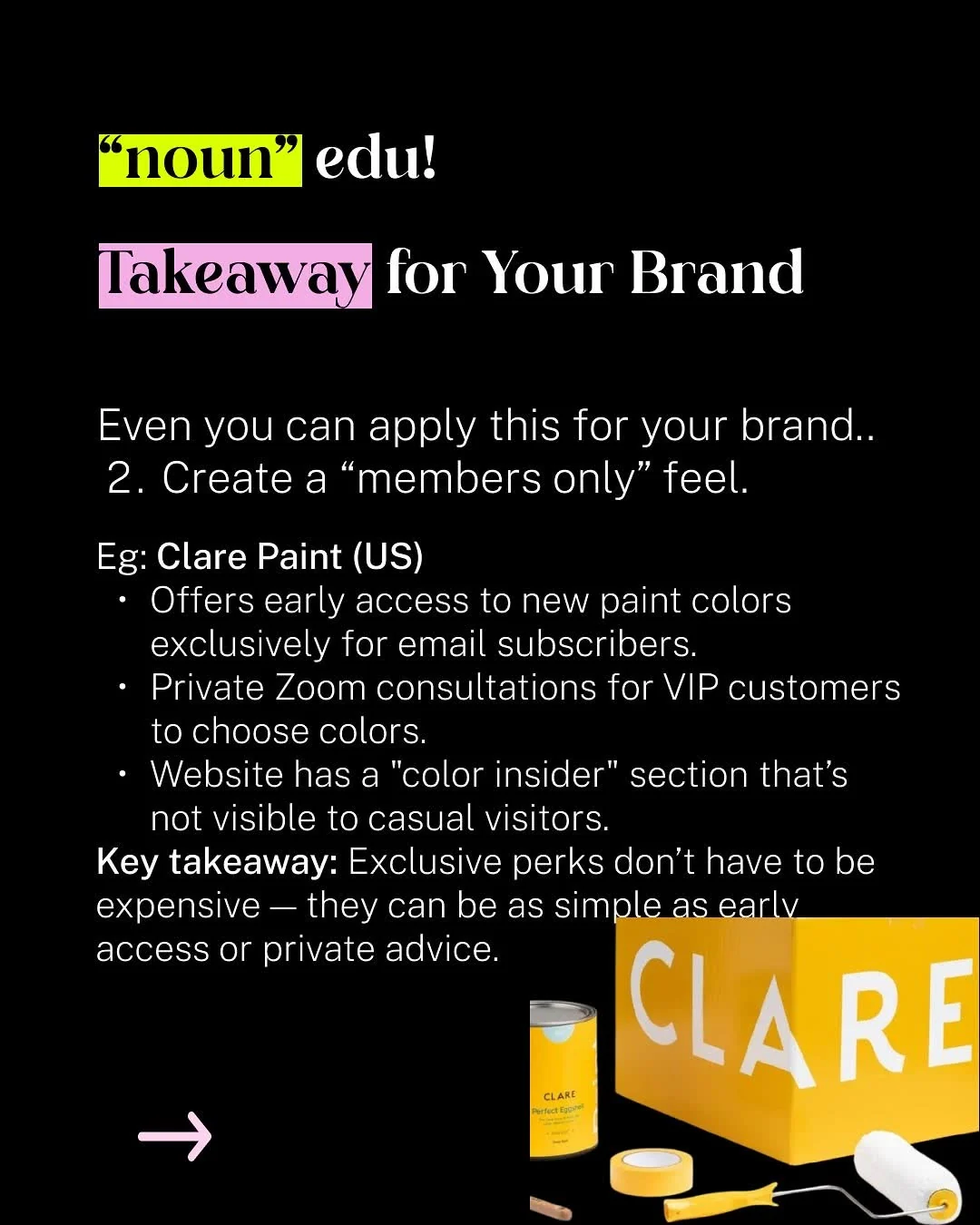
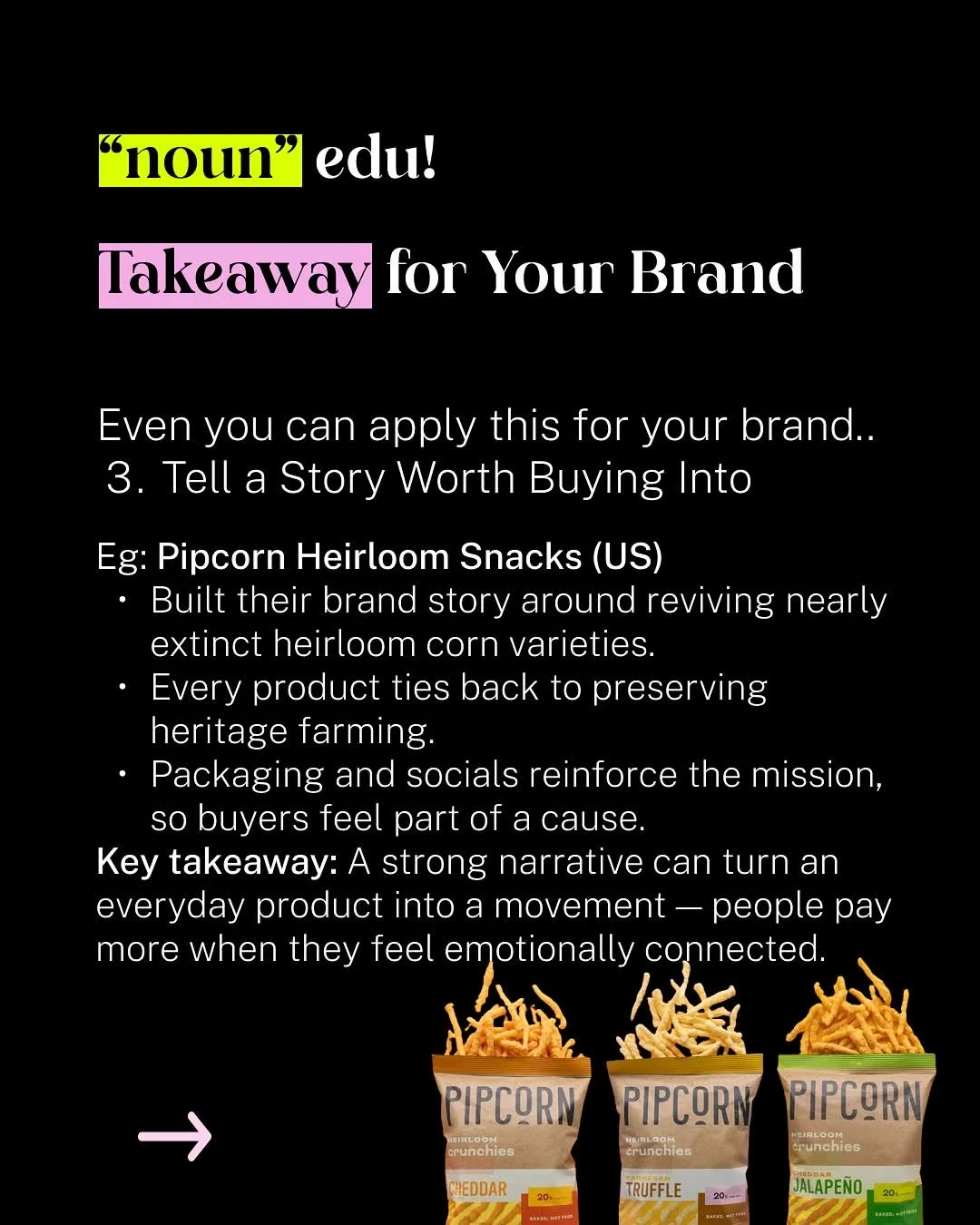
Swipe or use the arrows — the original carousel, slide by slide.
Most founders read luxury as a price story. It is a supply story that happens to end in a price. The mechanics underneath are unglamorous and repeatable, which is exactly why they are worth stealing.
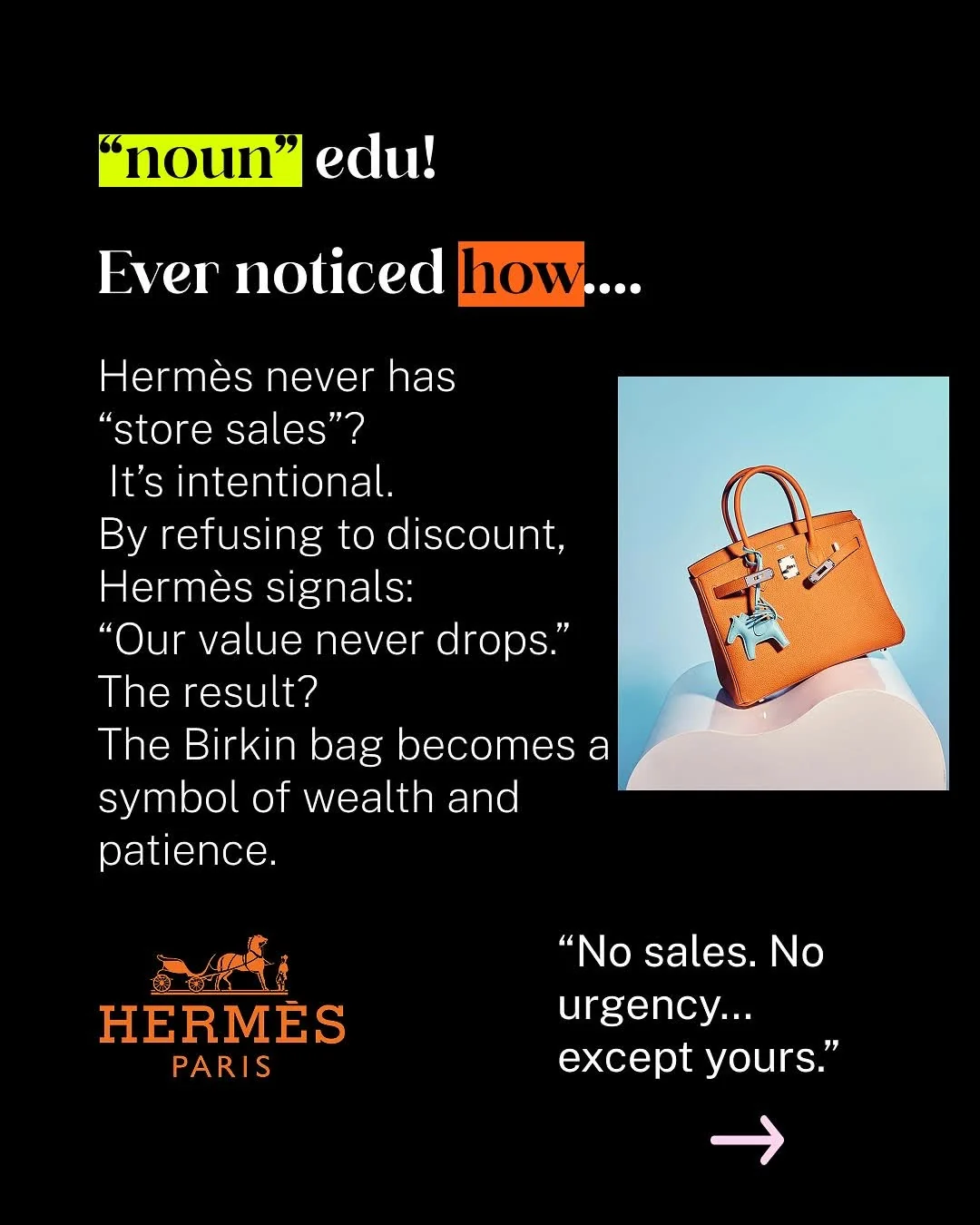
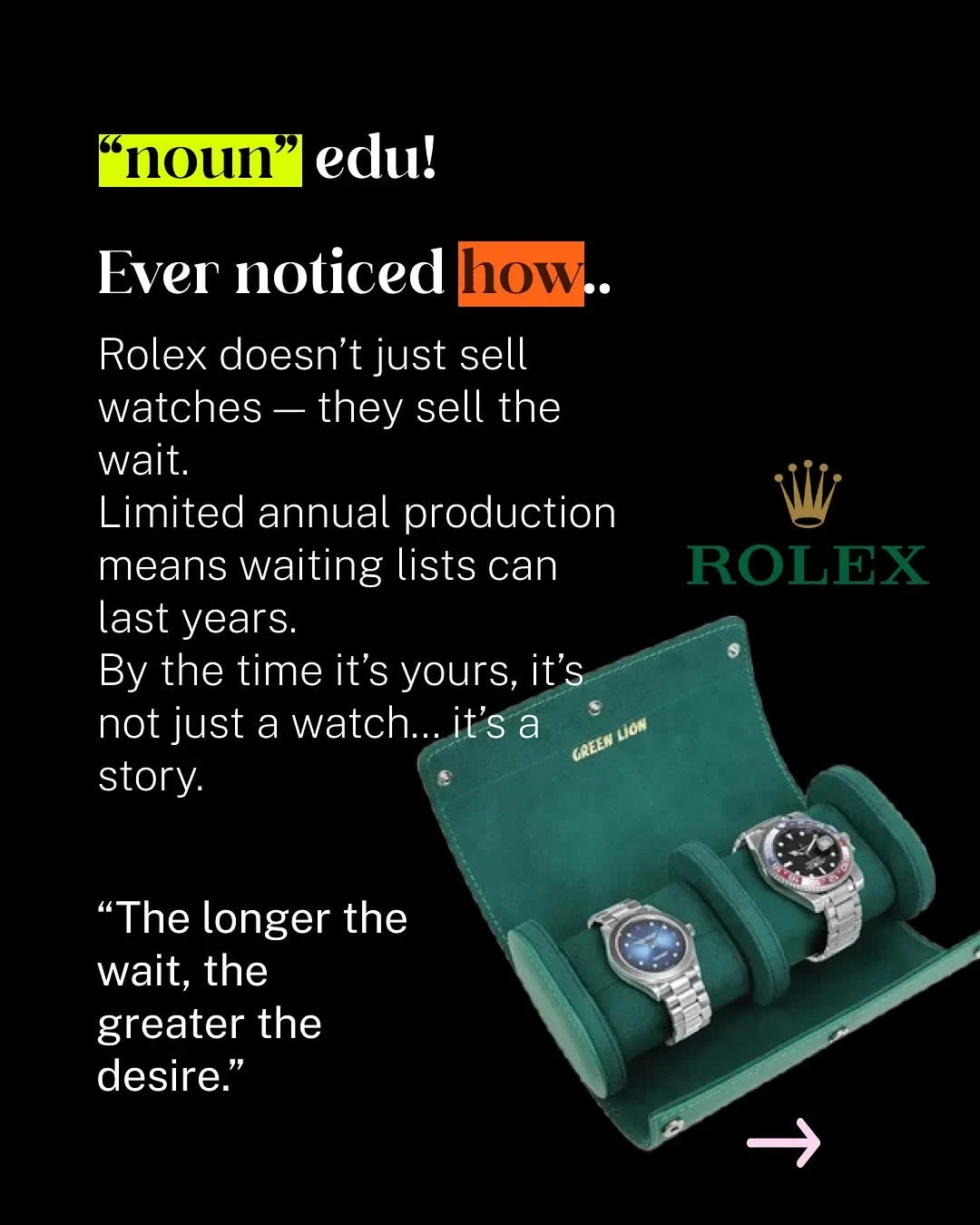
Start with what is widely reported. Hermès does not run public markdowns on its leather goods, and a Birkin is not something you add to a cart the way you would buy a handbag anywhere else. Rolex's most wanted steel models have carried long dealer wait times for years. Whether limits like these are engineered or simply the consequence of how the products get made is argued over endlessly, and it is not something I can settle from the outside. The pattern underneath is copyable either way.
The trap is copying the theatre instead of the discipline. Countdown timers that reset. "Only 3 left" on a warehouse holding hundreds. Founding-member pricing that never ends. Customers can tell, and the theatre is the easy half anyway. The hard half is refusing to discount.
Discounts don't lower your price. They teach your best customers to wait.
01 — Discounting trains customers to wait
Your first sitewide sale will convert well. That is the problem. You did not create new demand — you pulled forward demand that was already coming, and you taught the people who love the product most that patience gets rewarded. Next launch, they wait. So you discount again to hit the number, and now the sale is the business model.
A brand that holds its price never puts the customer in that decision. One price, all year. That is not arrogance. It is the only way a price stays believable over time.
02 — Your scarcity is already real
Manufactured scarcity is a lie about supply. Real constraint is just your business: one co-packer with a minimum run, one ingredient that is seasonal, one person packing boxes, cash tied up in the last production order.
Large houses get accused of engineering their limits. I have no way of knowing whether that is fair, and it does not matter here — you do not have to engineer anything. My read is that this is a genuine advantage of being small: your numbers are small because they are true, and true numbers are the only ones you can repeat in public for years without getting caught.
03 — An honest waitlist names the number
A waitlist only creates desire if it is a promise you keep. The version that works is specific, and it feels slightly uncomfortable to publish, because specificity is what makes it credible.
- The real batch size — the actual unit count, not "limited quantities".
- The real ship date, and what you will do if it slips.
- The order people get served in, and whether the list itself is capped.
- One email when the batch opens. Not a five-part countdown sequence.
- No counter you cannot verify. If you would not show a customer the spreadsheet behind the number, do not publish the number.
04 — Small batches beat endless shelves
Selling out is not a forecasting failure. It is the only proof a customer has that demand is real. A brand that is always in stock in every size and shade is quietly telling people there is no reason to act today.
So run to a rhythm and publish the rhythm — every six weeks, the first Tuesday of the month, whatever you can genuinely hold. The rhythm is what turns scarcity from a stunt into a habit. You will leave some short-term revenue on the table. What you buy with it is the right to hold your price.
05 — The velvet rope is service
The feeling of being let in has almost nothing to do with spend. It comes from being treated like a person: a shipping note written by a human, a reply signed with a name instead of "support", a box that survives the trip and opens in one satisfying motion.
Most small brands over-invest in foil and under-invest in the reply. Foil is a one-time impression. A founder answering a question within the hour is the thing customers actually repeat to other people. If budget forces the choice, spend it on the response.
06 — Reward access, not price
Loyalty programmes built on discounts simply move your best customers to a permanently lower price. Reward them with position instead: first look at the next batch, first pick of the colour, the sample of something unlaunched, the email that lands before the public one.
Access costs you almost nothing and it cannot be resold or arbitraged. Nobody screenshots an early-access email to a deal forum. And when the same names keep getting in first, you have built the one thing discounting can never build — a reason to buy now that has nothing to do with money off.
None of this needs a big audience. At your size the constraint is genuinely there, and saying it plainly reads as confidence rather than tactics. The founders who get burned are the ones who borrow the language of scarcity without the substance behind it — and consumer-brand customers are fluent in that by now. They have seen the countdown timer reset.
Monday morning, do one thing: open the plan for your next restock and write down the true number of units you can make and the true date they will land. Publish those two facts and open a list against them. Everything else in this article follows from being able to say those two numbers without flinching.
Founders ask
Does a waitlist work if I only have a few hundred followers?
Yes, and arguably it works better at that size, because you can reply to every person on it personally. A small list where most people actually buy is worth more than a big one that mostly ignores you. Treat it as customer research first and a sales channel second.
How do I clear old inventory without training customers to wait for sales?
Move it off your main storefront instead of marking it down in front of everyone. Bundles, sample sizes, a clearly labelled final run of a discontinued product, or a wholesale route all work. The rule that matters: never discount a product you intend to keep selling at full price.