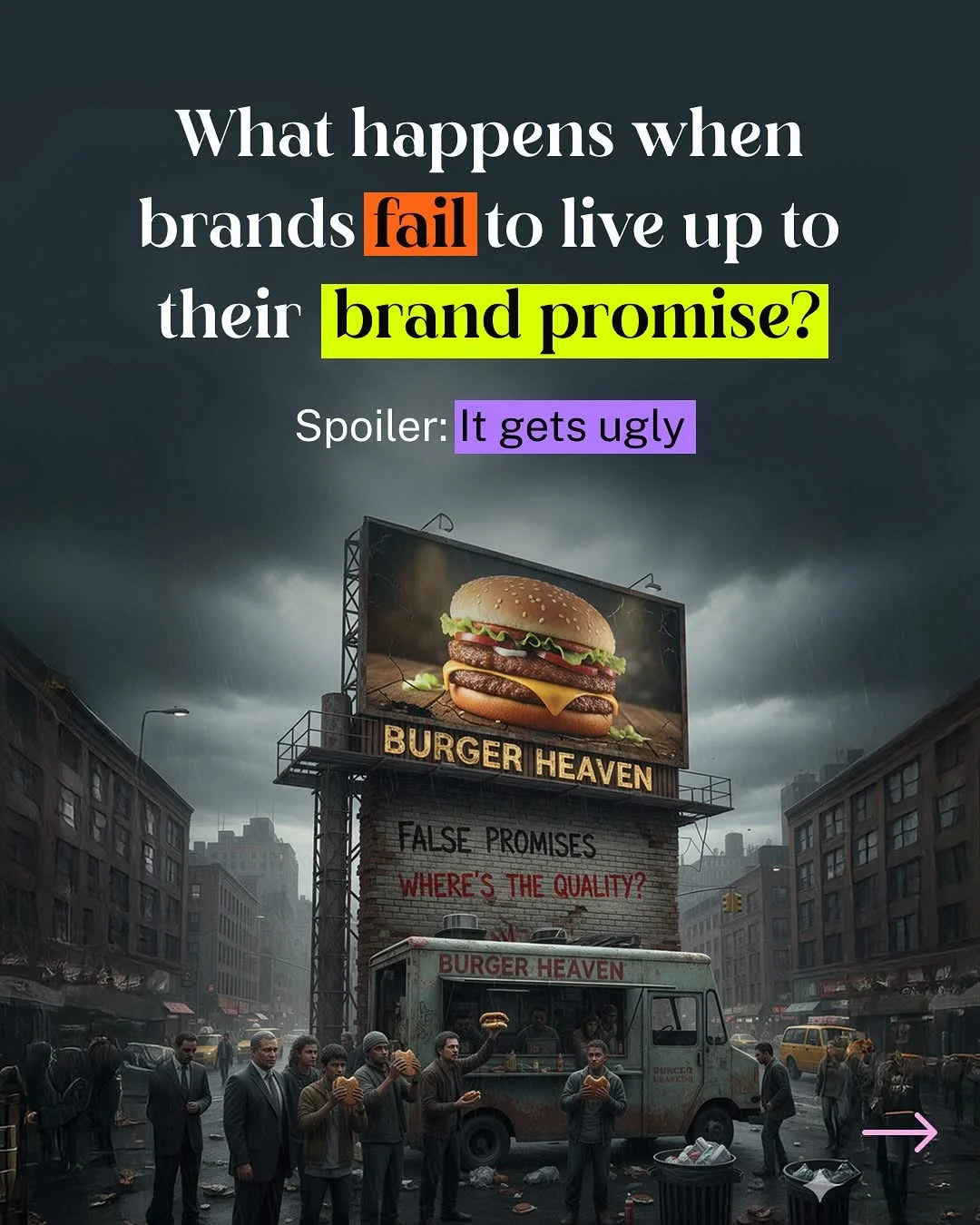
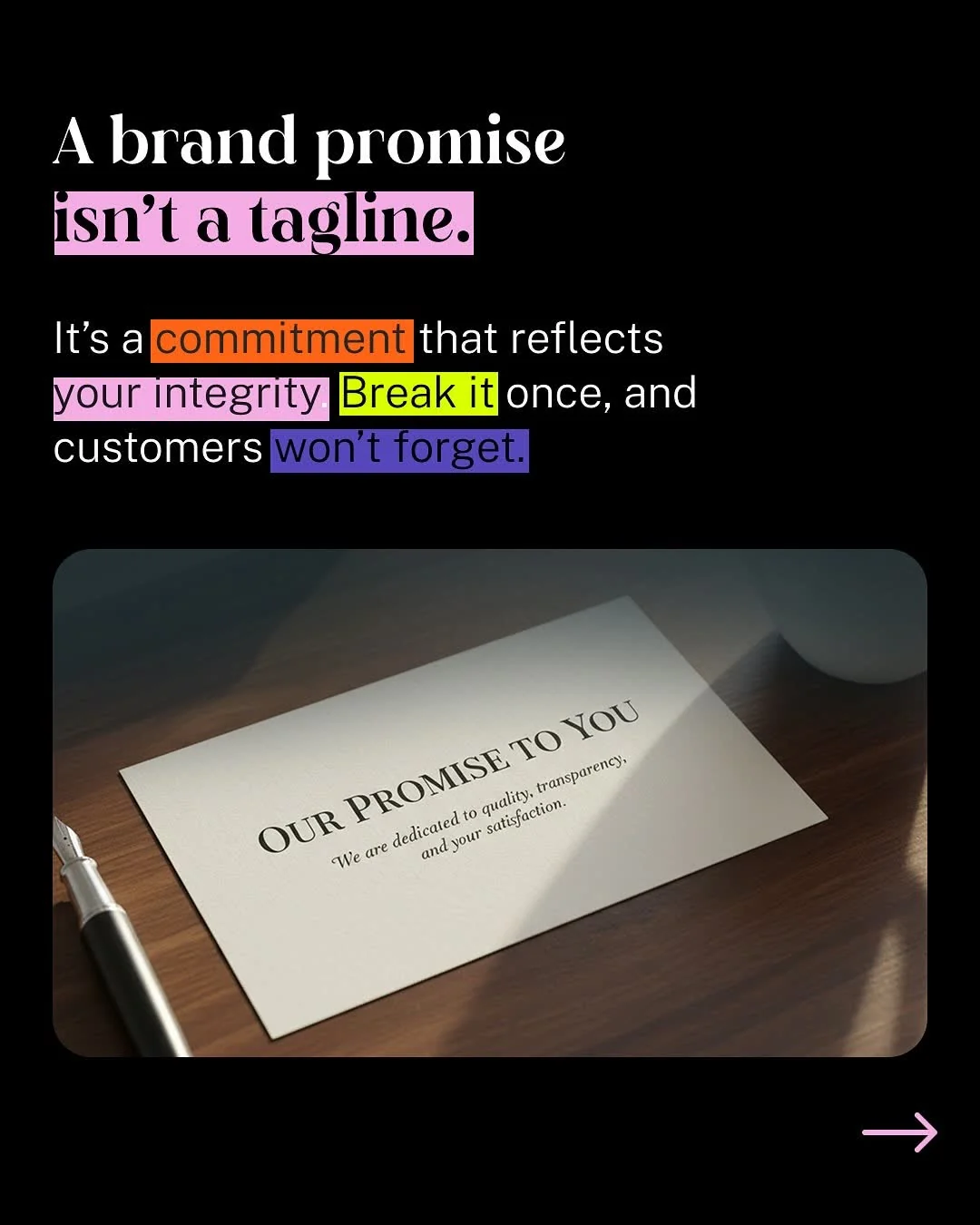
A brand promise isn't a tagline — it's a debt
Not a tagline — an obligation. The thing a customer is entitled to hold you to at every interaction, which means it has to be funded by your operation before it goes on your homepage.
A brand promise is not copy — it's an obligation you repay in every order, every email, every refund. If your operation can't fund it, you don't avoid the cost, you defer it, and you default in public. Write the promise your business can keep on its worst week, not its best.
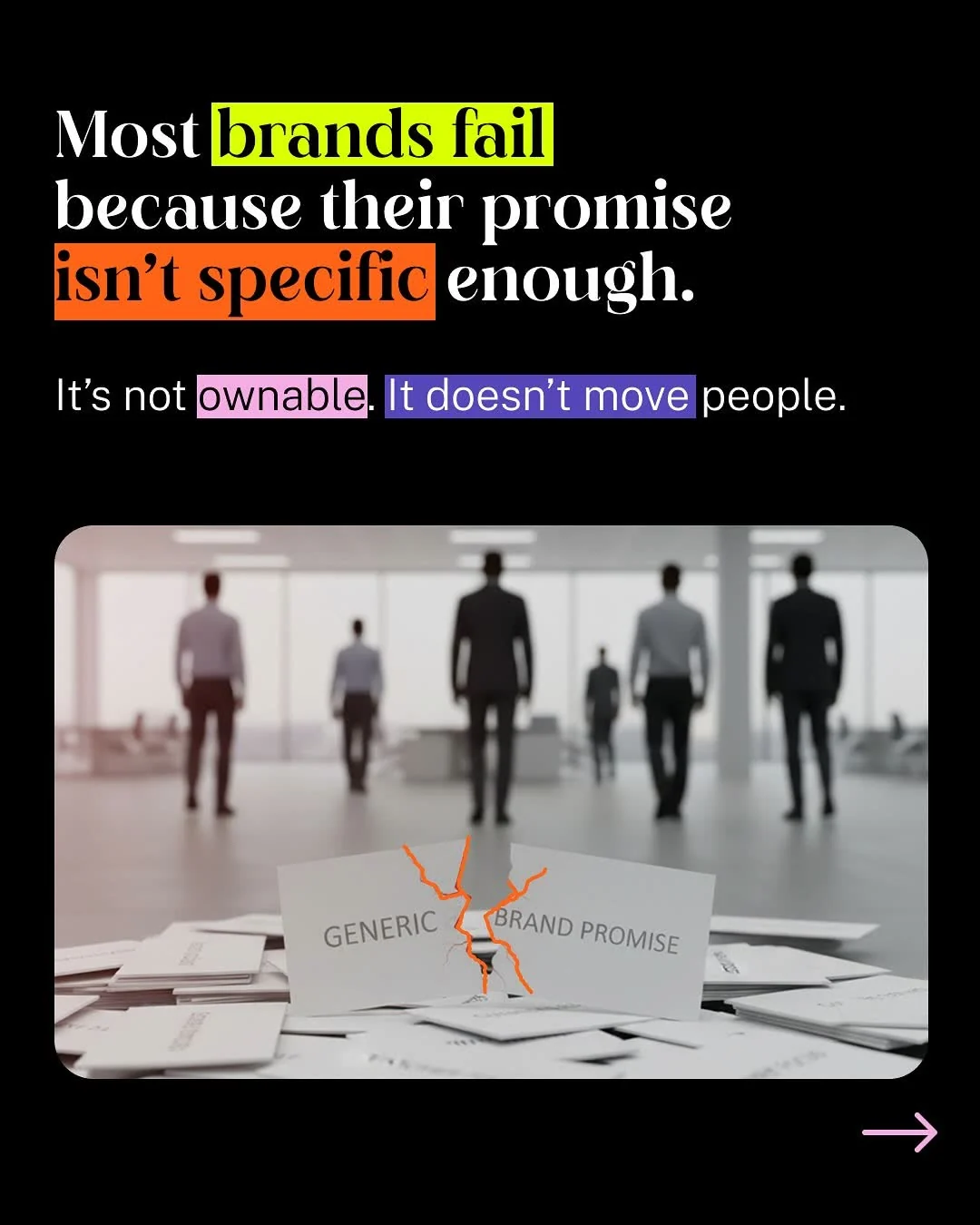
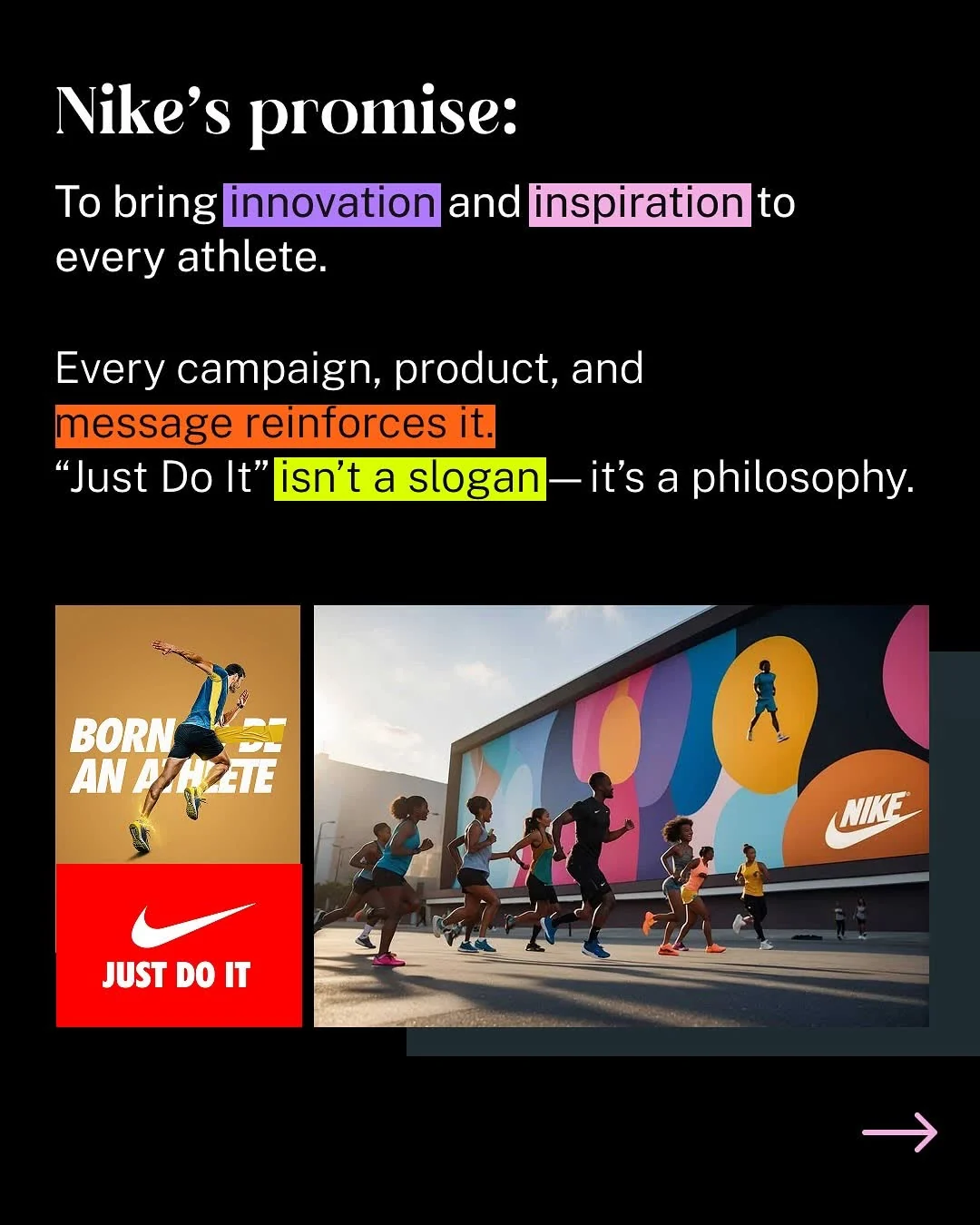
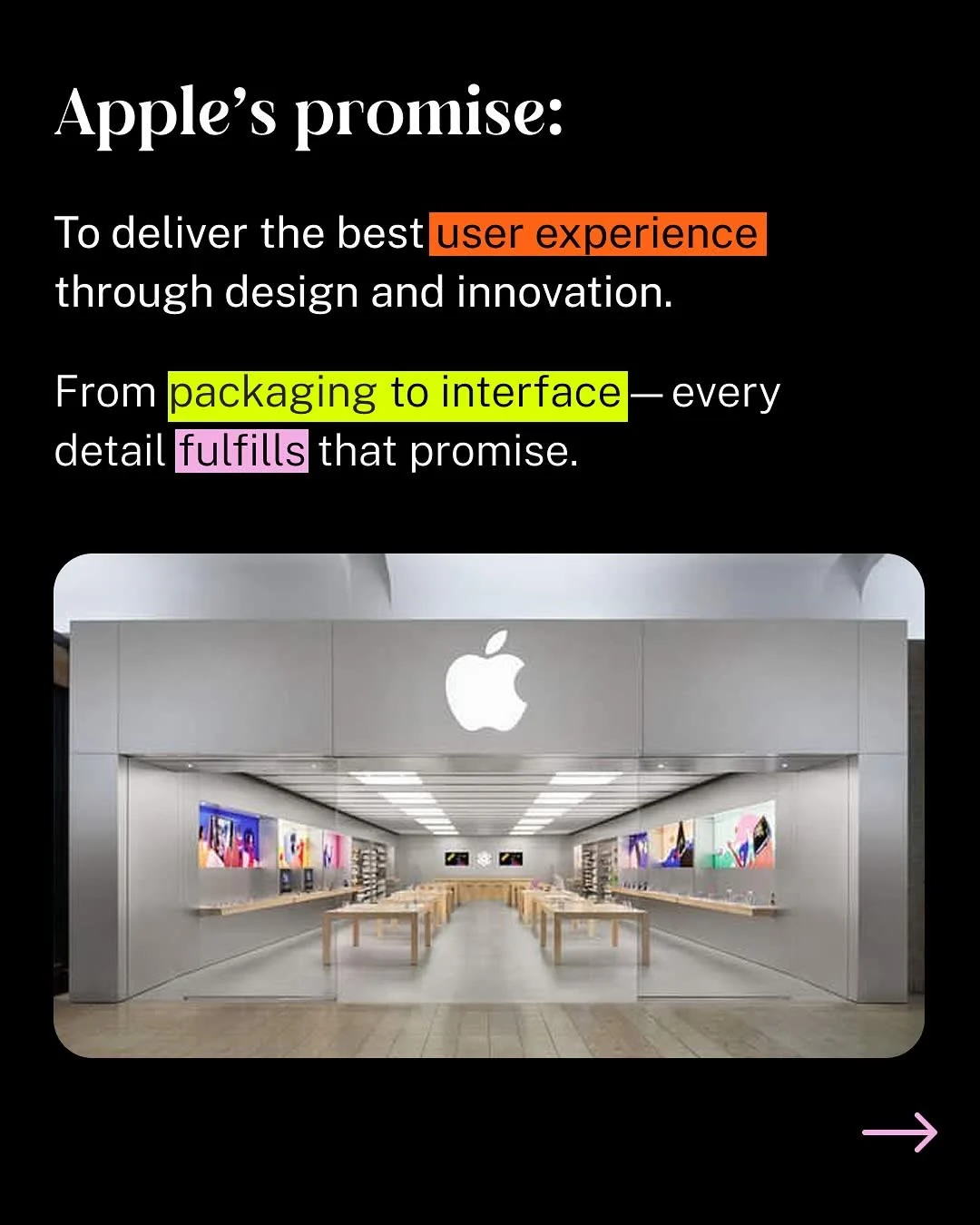
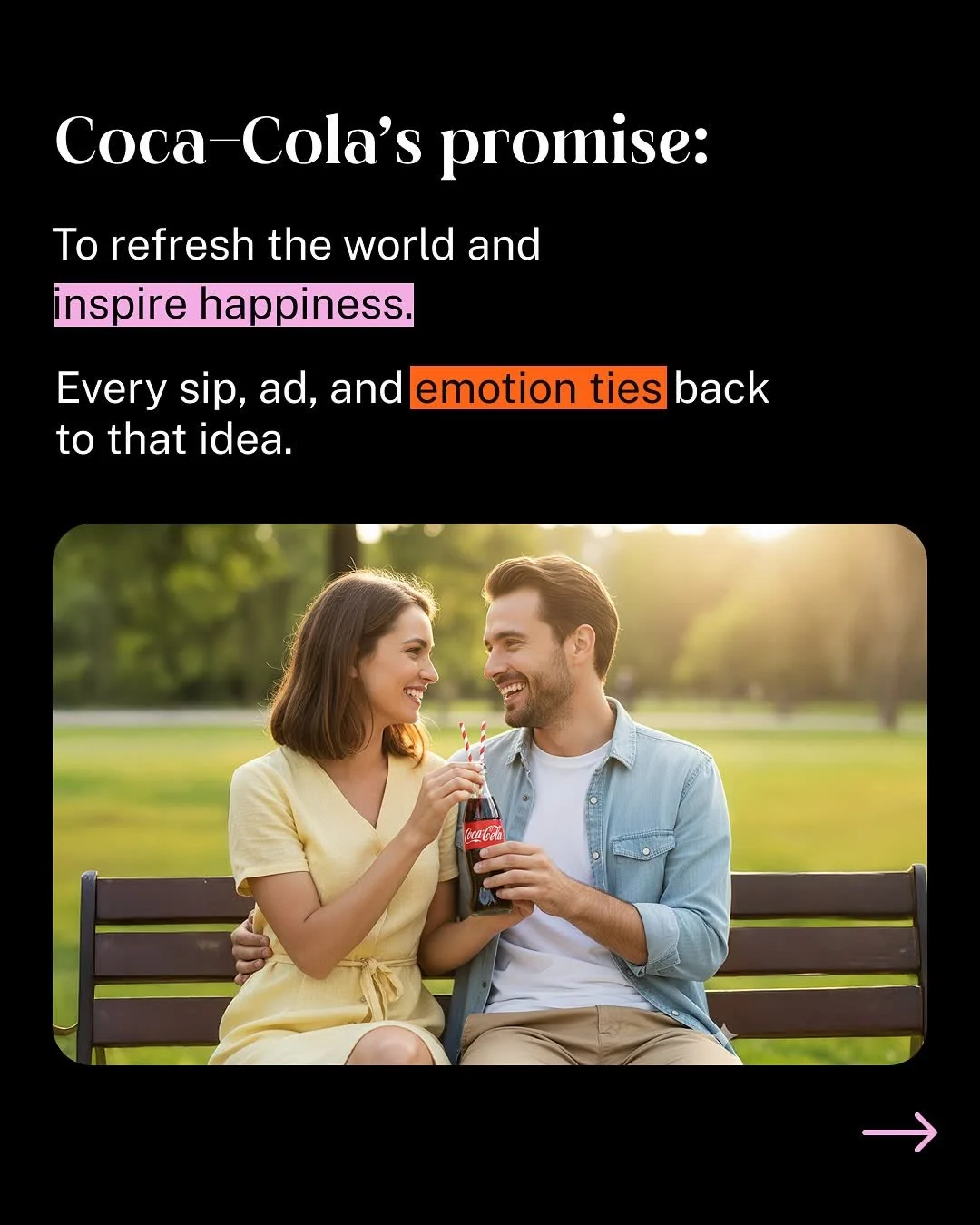
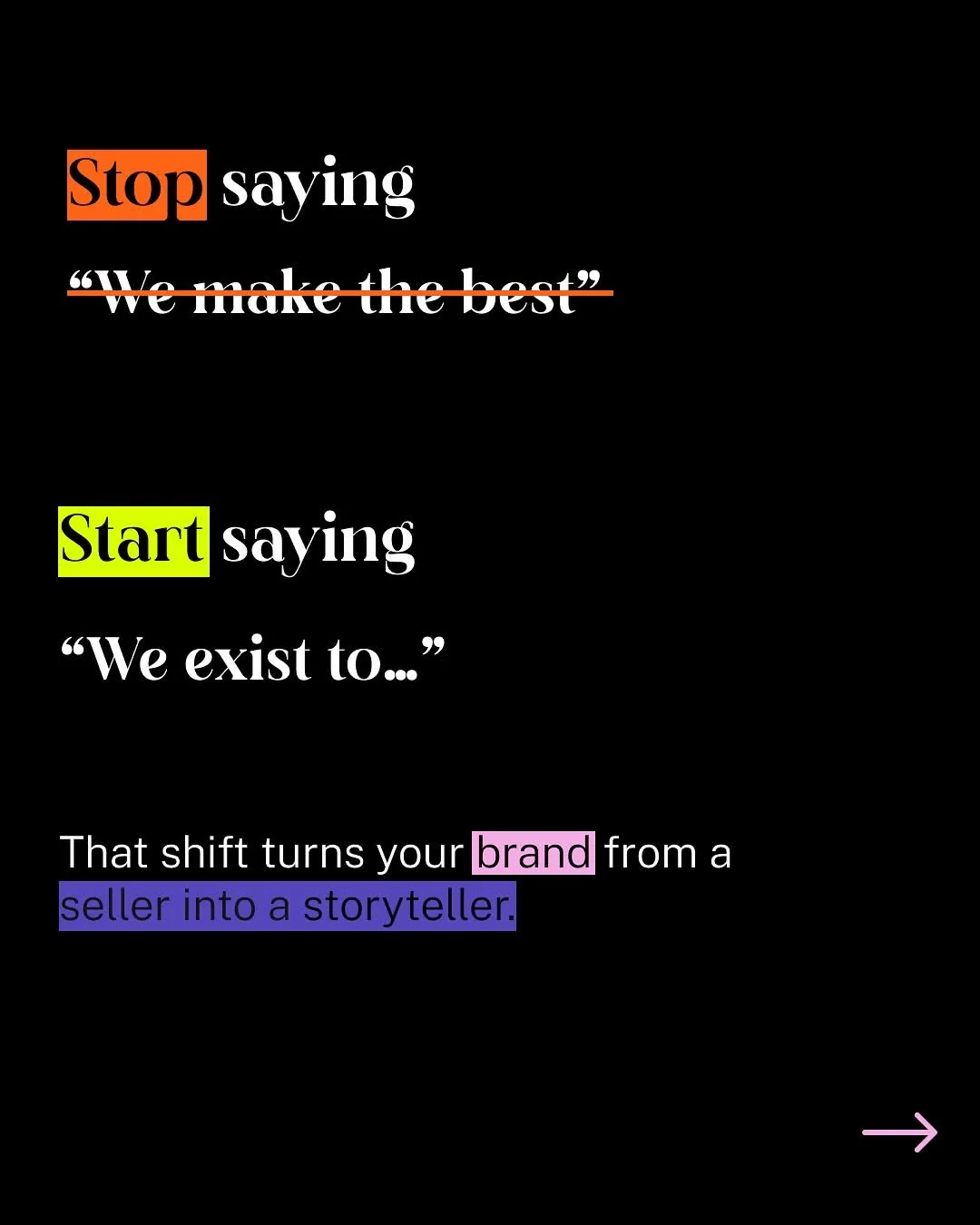
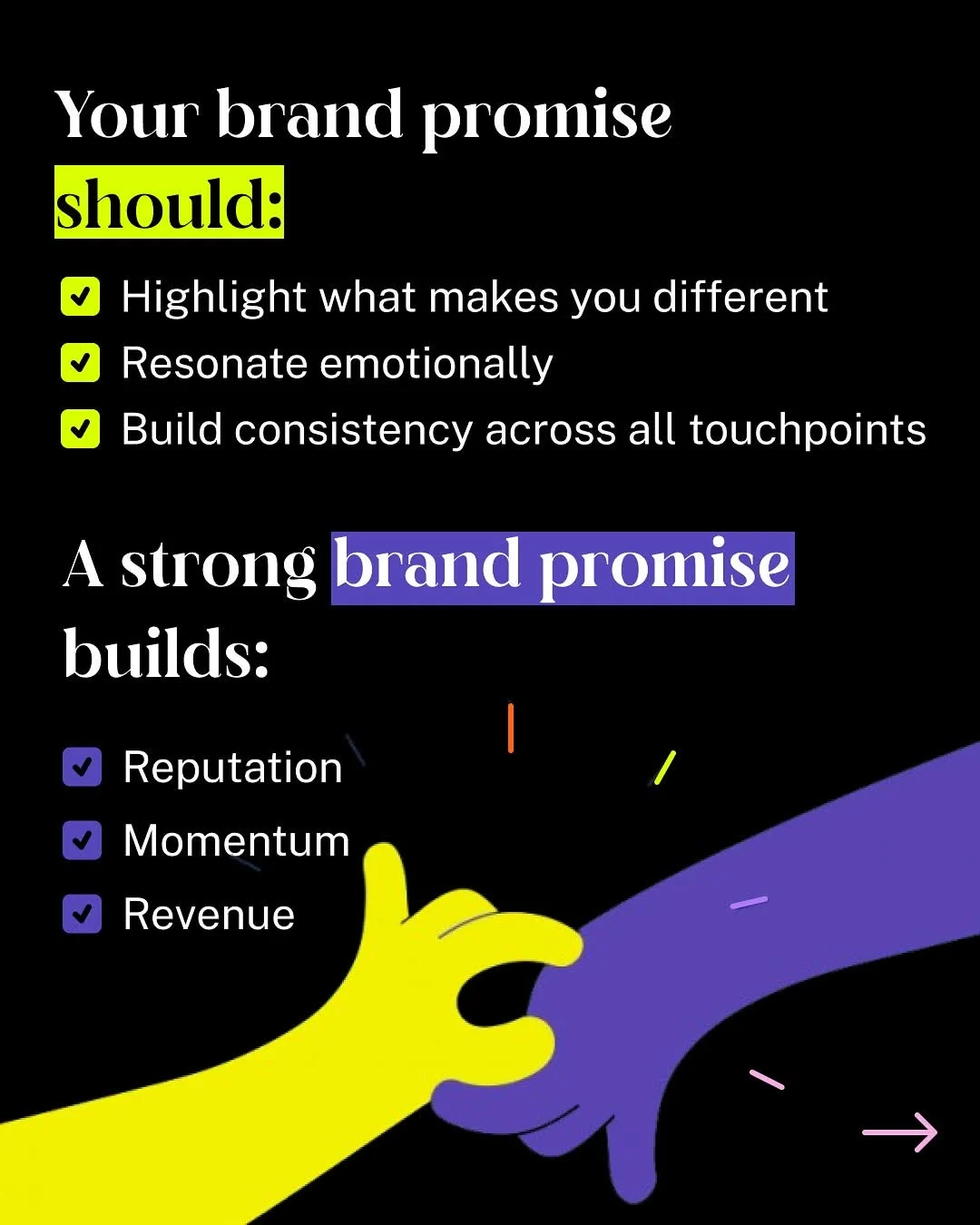
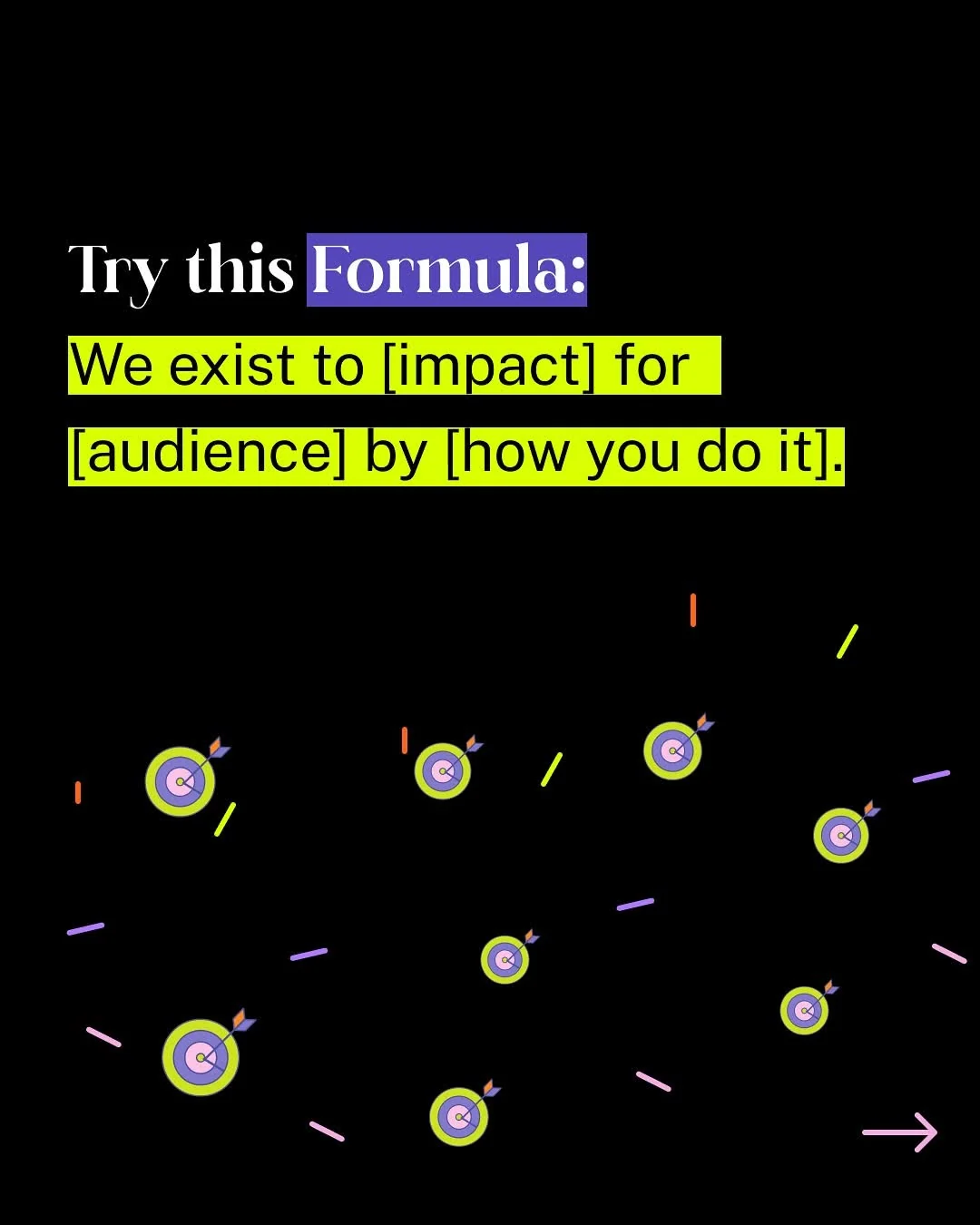
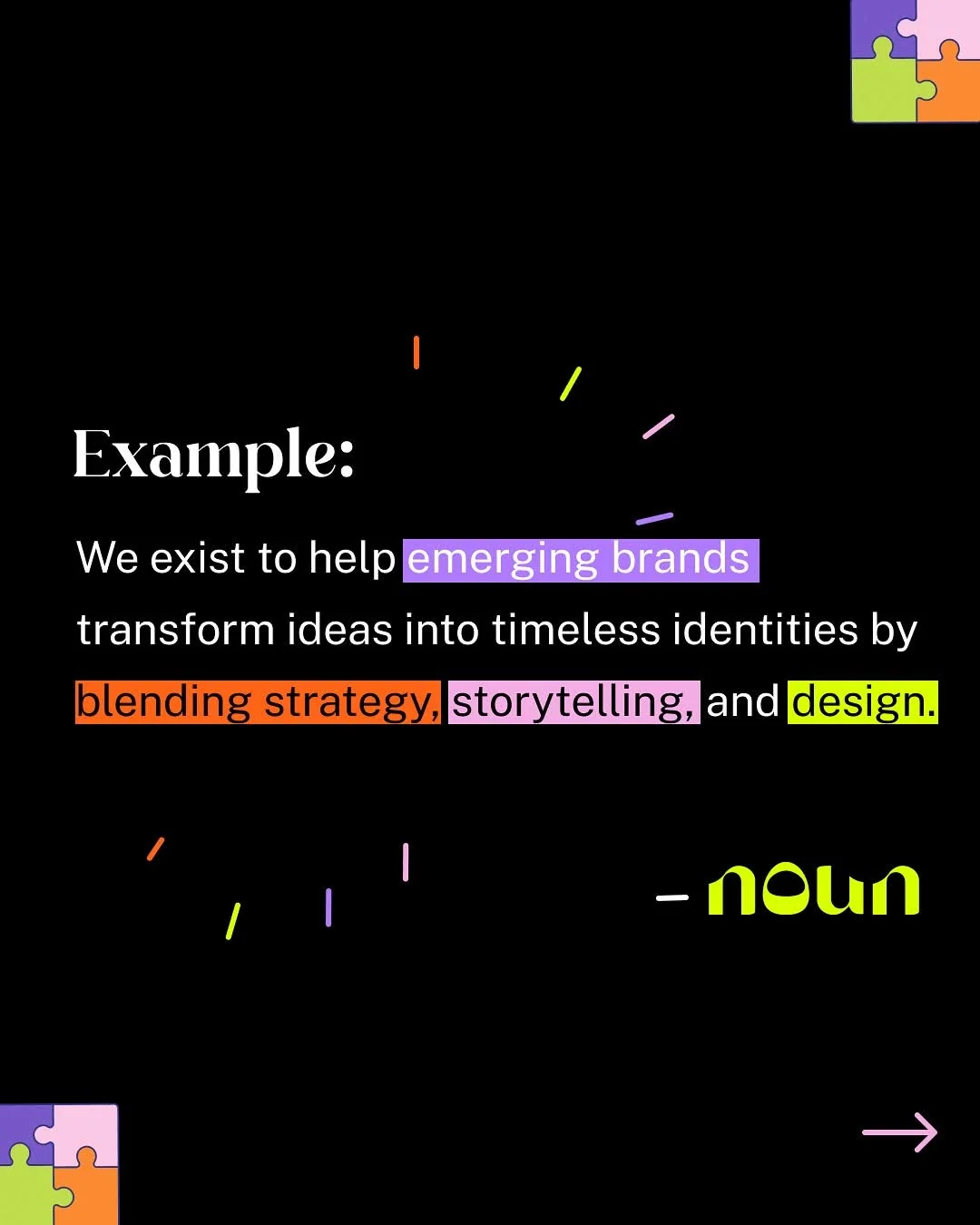
Swipe or use the arrows — the original carousel, slide by slide.
Most founders write their brand promise the way they'd write a headline: find the most impressive true-ish thing and make it sound good. Then they hand it to a customer service inbox, a contract manufacturer and a small team, none of whom were in the room when it was written.
That's borrowing against trust you haven't earned yet. The line goes up on the homepage in a week. The repayment happens over years, one shipment at a time.
When the payments stop, you don't just lose a sale. You lose the benefit of the doubt — and for a small brand, the benefit of the doubt is most of what you have.
A promise is credit you take from customers. Every order is a repayment.
01 — A slogan describes, a promise obligates
A slogan is written to be remembered. A promise is written to be held to. The test is one question: can a customer point at a specific experience and say you broke it? A line like "radically simple skincare" isn't a promise — nobody can collect on it. "If it doesn't work in 30 days we take it back and cover return shipping" is. One is decoration. The other has a cost line attached.
Most homepage lines fail that test, and that's fine as long as you know which one you're writing. The trouble starts when a founder treats the decorative line as the operating standard, and the team is left guessing what it actually requires of them.
02 — Two promises that got tested in public
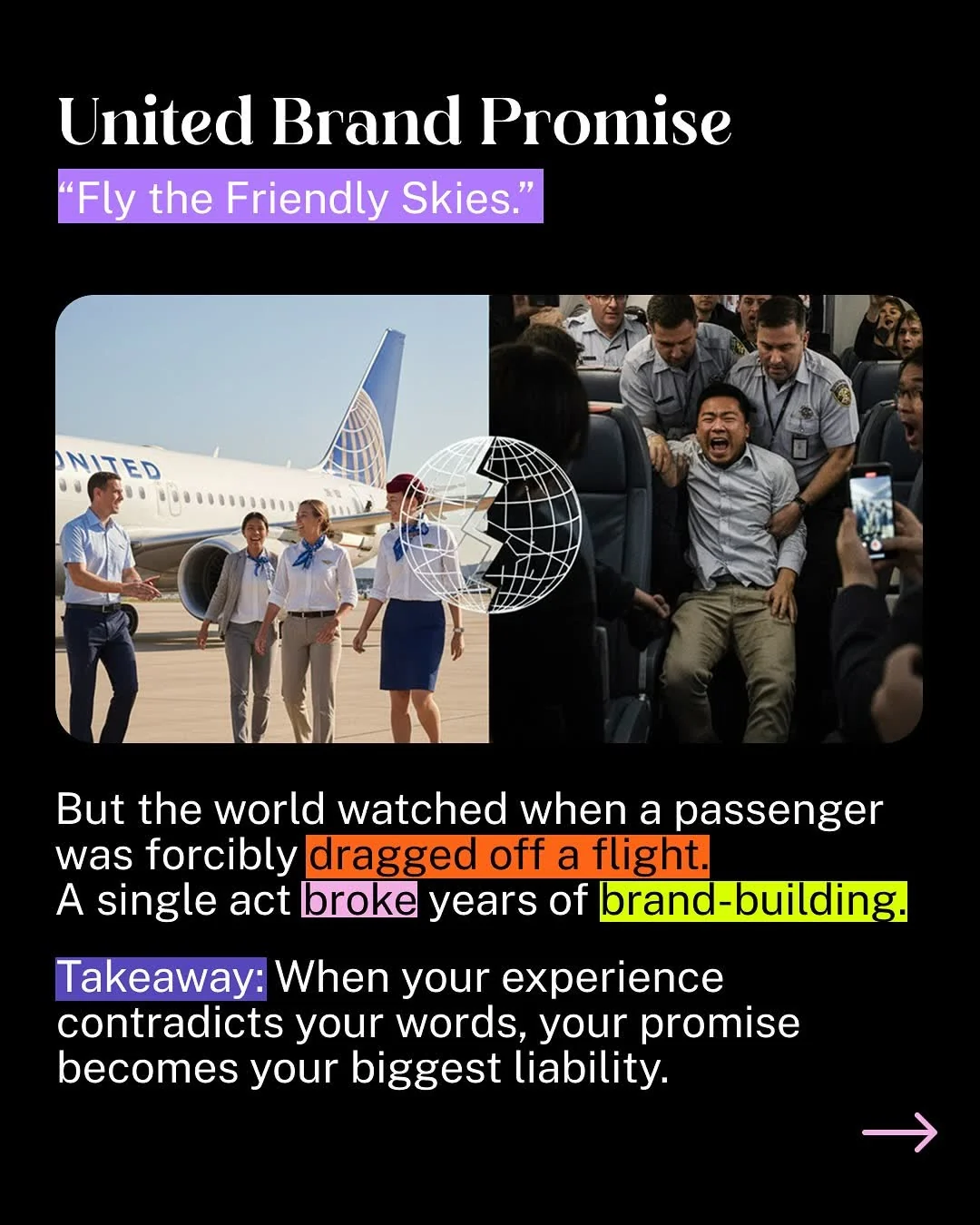
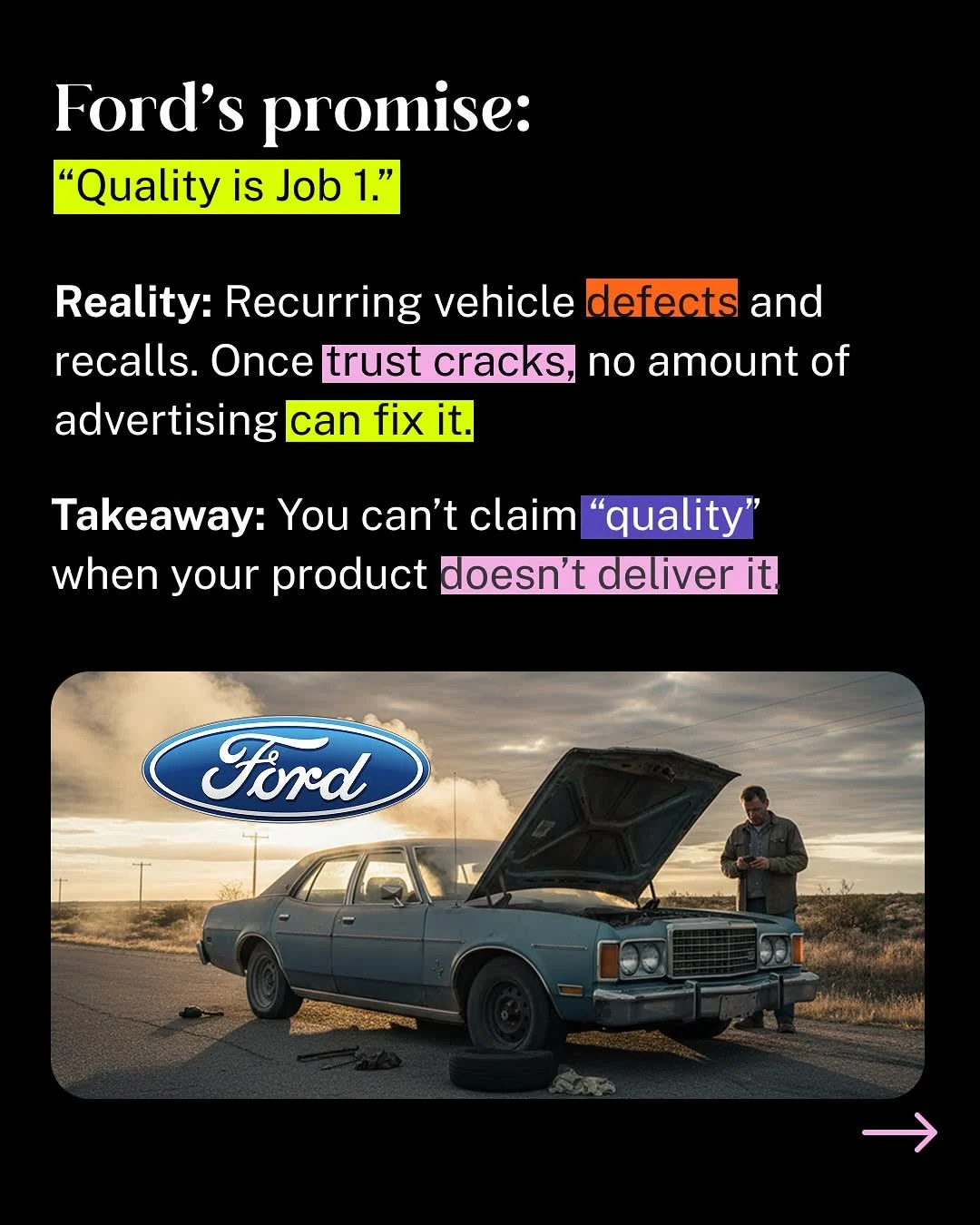
Ford has built public messaging around quality and durability for a long time, and recalls have been widely reported over the same period. My read — and it's a reading, not a finding — is that a promise can reach customers as advertising long before it reaches them as product experience. United's "Fly the Friendly Skies" is one of the best-known lines in aviation, which is part of why the widely covered 2017 incident, in which a passenger was forcibly removed from a seat on a full flight, travelled as far as it did.
Neither of these is a copywriting failure. Both, in my reading, are gaps between what the messaging set up and what the operation delivered on the day. That's the uncomfortable mechanic: a good promise doesn't hide your gaps, it makes them legible.
03 — An unfunded promise charges interest
Every promise sits on top of a cost centre. "Ships in 48 hours" is a warehouse decision. "Personal support" is a headcount decision. "Made in small batches" is a margin decision. Publish it without funding the line item and the cost doesn't disappear — it comes back as refunds, chargebacks, one-star reviews and the extra discount you now need to convince the next customer to take a chance on you.
The interest compounds because the people who believed the promise are the ones who repeat it. Break it and you don't lose a buyer, you lose their recommendation, and you lose it loudly.
04 — Pressure-test it against the operation
Before a promise goes anywhere near a homepage, run it past the parts of your business that will actually have to pay for it.
- Supply chain: can your manufacturer hold this standard in a bad month, not just a good one? Ask them, in writing, first.
- Team: name the one person who owns each promise. If the answer is "all of us", it's nobody.
- Margins: price it. Free returns, replacements, handwritten notes and a same-day reply all carry a unit cost. If it doesn't survive your unit economics, it's not a promise, it's a subsidy with an expiry date.
- Volume: does it hold at ten times today's orders? Most early promises are personal favours that quietly break at scale.
- Worst week: assume a delayed shipment, a sick teammate and a bad batch in the same seven days. What do you still do without exception? That's your real promise.
05 — Make it specific enough to fail
A promise you can't break isn't a promise. It has to be falsifiable — there must be a version of events where a customer says "you said this, you did that" and is straightforwardly right. That's uncomfortable, which is exactly why it works. It's also the only kind a team can execute against, because vague promises give people nothing to decide with at 4pm on a Friday.
In practice, write three things: what you do, the standard you hold it to, and what happens when you miss. The remedy is the part most brands skip and the part customers remember longest.
06 — Promise less than you deliver
Small brands win on kept promises, not big ones. A narrow promise you consistently beat builds more credibility than a broad one you meet exactly, and far more than an ambitious one you meet most of the time.
So leave headroom on purpose. The gap between what you said and what you actually did is the only marketing you get for free, and it only exists if you were conservative on the way in.
A large company can absorb a broken promise for a while. A small brand can't — you're being judged on a handful of interactions by people who have no other evidence about you. That sounds like a disadvantage. Mostly it isn't: you're close enough to your own operation to know exactly what it can carry, and small enough to change the promise before it's printed on a year of packaging.
One next step: take the line that's on your homepage today and write beside it the single operational commitment that would have to be true for a customer to hold you to it. If you can't name that commitment, or can't fund it this quarter, change the line before you spend anything more driving traffic to it.
Founders ask
What's the difference between a brand promise and a tagline?
A tagline is written to be remembered; a brand promise is written to be held to. If a customer can't point at a specific experience and say you broke it, what you have is a tagline. Both are useful — just don't run the business off the one that costs nothing to say.
How do I write a brand promise for a small business?
Start from what your operation already does reliably on a bad week, not from what sounds impressive on a good one. Write what you do, the standard you hold, and what happens when you miss it. Narrow and kept beats broad and approximate every time.